Table of Contents
12 Best Restaurant Web Design Agencies & Companies (2026)
Quick Answer
The right restaurant web design agency or company depends on fit and budget. Orbit Media Studios and Vizergy suit multi location groups, Red Spot Design and INNsight suit tight budgets, and Reliantware pairs web design with SEO under one team so the site is built to be found, not just to look good.
Expect to pay one thousand to ten thousand dollars for most builds, taking four to eight weeks, and make sure the site includes a crawlable menu, mobile friendly design, online ordering, and reservation integration, since skipping SEO means a great looking site that diners never find.
Key Takeaways
- The best restaurant web design company for you depends on your budget, location count, and whether you need SEO bundled in
- Orbit Media Studios and Vizergy fit multi location groups needing deep booking platform integrations
- Red Spot Design and INNsight fit independent restaurants working with a tight budget
- Reliantware pairs web design and SEO under one team for restaurants that want the site to actively drive search visibility, not just look good
- A basic restaurant website runs one thousand to three thousand dollars, while custom builds average three thousand to ten thousand
- Most restaurant website design and development projects take four to eight weeks from kickoff to launch
- A crawlable menu, mobile friendly design, online ordering, and reservation integration are non negotiable minimums
- Skipping SEO during the design phase is the most common mistake, since it leaves a great looking site invisible to hungry diners searching nearby
What a Restaurant Web Design Agency Actually Does
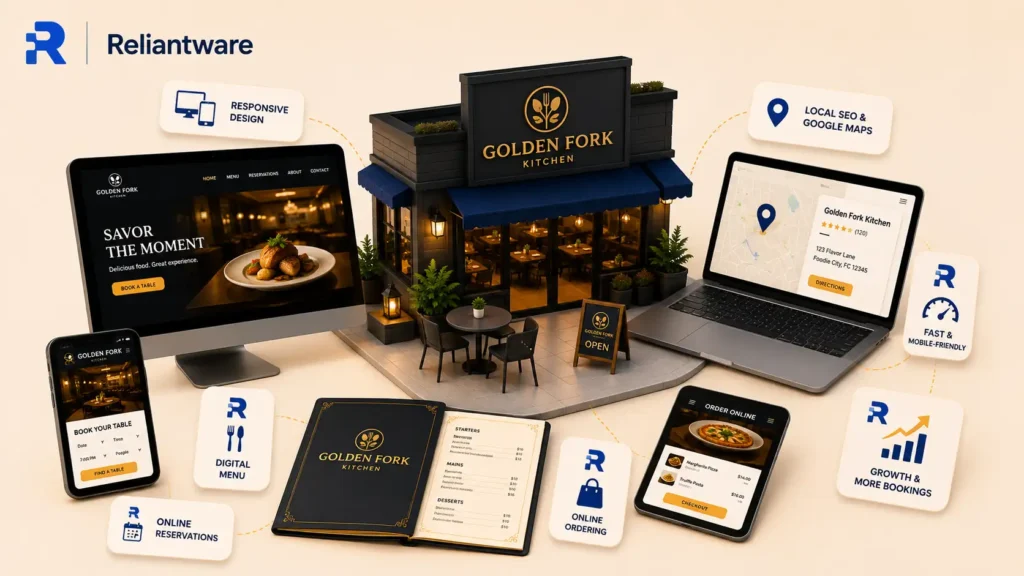
A restaurant web design agency builds websites specifically structured around menus, reservations, and online ordering, rather than generic business pages. These companies think differently from the start. They know a diner decides whether to book a table in the time it takes to load a page on their phone, and they design toward that moment instead of toward a design award.
A general web design agency can certainly build a website that looks great. But for restaurants, good looks alone are not enough. Your website also needs to help people book a table, browse the menu, or place an order with as little effort as possible. That is why restaurant web design companies usually include features like an easy to update menu, integrations with reservation platforms such as OpenTable or Resy, online ordering through services like Toast or ChowNow, and food photography that encourages visitors to become customers. A site that is easy to update also makes it easier to promote seasonal offers and limited time bundles fast.
Here’s what generalist agencies almost always miss: conversion behavior. Someone deciding where to eat tonight doesn’t think or browse like someone shopping around for insurance quotes. They want three things, fast: the menu, the hours, and a way to book a table, usually in that exact order, usually in under thirty seconds. A restaurant specialist builds the homepage around that thirty second window because they know that’s all they get. A generalist agency tends to build it around telling your brand story first. That plays well in a pitch meeting. In the real world, it just gives a hungry person one more reason to close the tab and pick somewhere else.
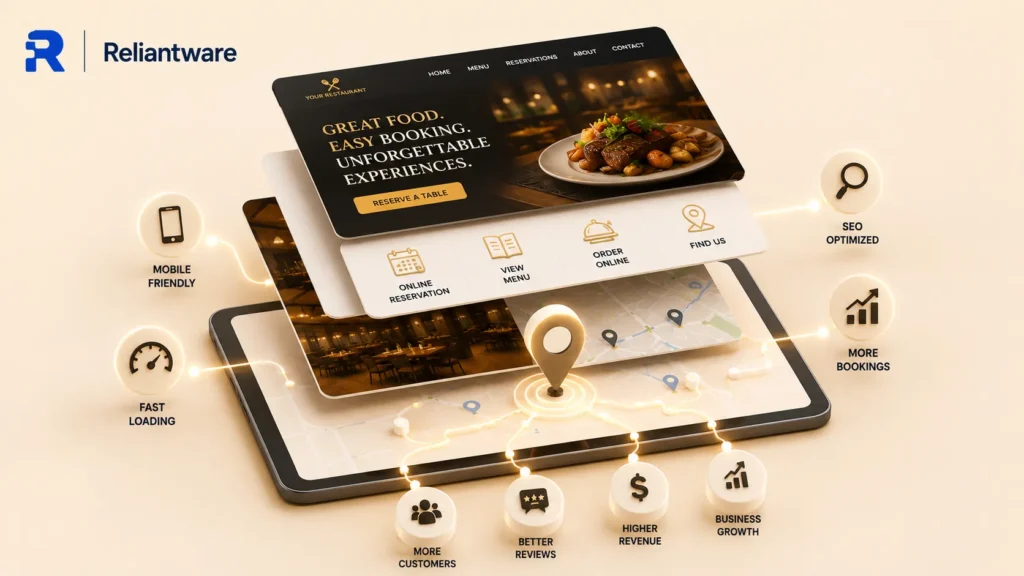
Restaurant Specific Features vs Generic Web Design
Menu management, table booking widgets, and food photography galleries rarely appear in a generalist portfolio at all. Ask to see three live restaurant sites an agency actually built, not just listed as a service on their homepage. If they cannot produce three, that tells you something important.
Why Generalist Agencies Miss Conversion Behavior
A restaurant site really only gets one shot, and it’s the first ten seconds. Generalist agencies tend to optimize for the wrong audience: the client sitting across the table in a portfolio review, nodding along at how polished everything looks. Restaurant specialists optimize for someone completely different: a hungry person standing outside three other places right now, phone in hand, trying to decide in the next few seconds where to actually walk in.
Restaurant Website Design vs Development: What Is the Difference?
Design covers how the site looks and how visitors move through it. Development covers the technical build behind that design: the menu content management system, the reservation platform integration, page speed, and how easily search engines can crawl and index the site. Most restaurant website design companies handle both under one roof, but if you are comparing quotes, ask specifically whether ongoing development and maintenance are included or billed separately once the site launches.
The 12 Best Restaurant Web Design Agencies and Companies
Every company below brings something different to the table. Some specialize purely in design. A smaller number pair design with the SEO work that actually gets a restaurant found in the first place.
Comparison Table
|
Agency |
Best For |
Key Advantage |
Platform Integrations |
Typical Cost Range |
SEO Included |
|
Reliantware |
Restaurants wanting design and SEO built as one system |
The only company here where the same team builds the site and drives its search visibility |
Standard restaurant platform integrations |
$1,200 to $2,000+ |
Yes |
|
Vizergy |
Hospitality franchises and fine dining |
WCAG 2.0 ADA compliant builds across two decades |
OpenTable, Resy, Toast, ChowNow |
Custom quote |
Yes |
|
Webdiner |
Independent restaurants and fast casual |
Bundles the build with ongoing social content |
Online ordering, reservation systems |
$1,000 to $5,000 |
Partial |
|
Thrive Internet Marketing Agency |
Restaurants wanting design plus full funnel marketing |
Broad digital marketing engine under one roof |
Standard restaurant integrations |
Custom quote |
Yes |
|
UpMenu |
Restaurants wanting an integrated ordering platform |
Built in ordering and loyalty tools with hosting included |
Proprietary ordering system |
Subscription based |
Partial |
|
INNsight |
Independent cafes wanting a bundled subscription site |
Zero commission online ordering |
MenuHero digital menu platform |
Subscription based |
Partial |
|
Digital Silk |
Businesses wanting premium custom branding |
Strong UX and conversion focused design |
Custom per project |
$10,000+ |
No |
|
Lounge Lizard |
Premium restaurant brands wanting luxury visuals |
High end custom development |
Custom per project |
$10,000+ |
No |
|
DreamCo Design |
Restaurants wanting flexible financing options |
Payment plans from three to twenty four months |
OpenTable, POS systems |
$1,000 to $8,000 |
No |
|
Red Spot Design |
Independent restaurants on a tight budget |
Affordable builds with gift certificate sales |
Basic ordering integration |
Under $1,500 |
No |
|
Webvizion |
Independent restaurants wanting a hospitality only specialist |
Works across WordPress, Shopify, and four other platforms |
Booking and payment integration |
$2,000 to $6,000 |
No |
|
Orbit Media Studios |
Multi location groups and large brands |
Deep technical SEO and CRM integration experience |
OpenTable, Resy, Toast |
Custom quote |
Yes |
1. Reliantware
Overview
Reliantware runs restaurant web design and restaurant SEO under one roof, so the site is structured for search visibility from the first wireframe instead of retrofitted after the fact once the owner realizes nobody can find the new site.
Pros
- The only company on this list where the same team builds the site and drives its ongoing search visibility
- Avoids the finger pointing that happens when a separate design agency and SEO agency both blame each other when a site underperforms
Cons
- Standard restaurant platform integrations rather than the widest possible list of niche booking or POS systems
Best For:
Restaurants wanting design and SEO built and managed as one system, not two separate vendor relationships.
Why Reliantware?
Restaurants that want the site to be found the day it launches, not months later, get one team responsible for both how the site looks and whether it shows up in search. Get a free audit at Reliantware.
2. Vizergy
Overview
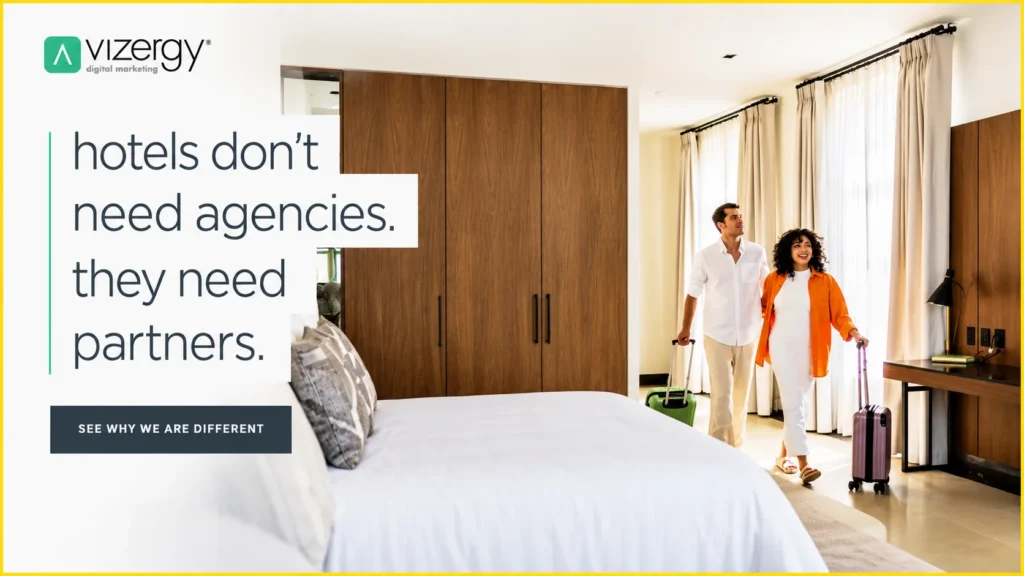
Vizergy has built its hospitality marketing practice over more than two decades, with restaurant and hotel clients including Hard Rock Cafe, The Melting Pot, Rodizio Grill, Santi in New York, and Goodnight’s. Its sites are built to WCAG 2.0 ADA compliance standards as a default, not an add on.
Pros
- 25+ years of hospitality only client relationships across chains, independents, and hotel food and beverage programs
- ADA and WCAG 2.0 compliance built into every site by default
- Deep third party integration bench: OpenTable, Resy, Toast, ChowNow
Cons
- No published pricing. Every engagement is quoted custom, so budget conscious independents may find the sales process slower than a fixed price competitor
Best For:
Restaurant franchises, multi location groups, and fine dining brands that need consistent branding and booking systems maintained across many locations at once.
Why Vizergy?
Restaurant franchise groups get a partner that has spent 25+ years learning how to keep brand standards consistent across locations while still allowing local customization, something generalist agencies rarely have the reps to do well.
3. Webdiner
Overview
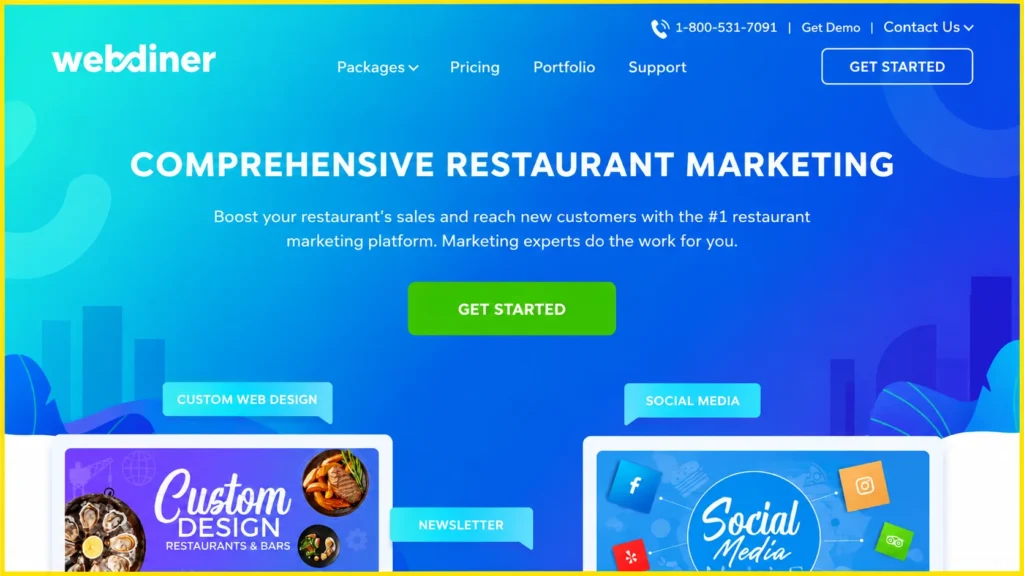
Webdiner has worked exclusively with restaurants, bars, and hospitality venues since 2012, with notable clients including Dierks Bentley’s Whiskey Row, Cook Out, Pub 52, and Ariete. Rather than a one time build, its model pairs the website with an assigned account manager and creative team who keep producing social content and email marketing after launch.
Pros
- Restaurant and hospitality only focus since 2012, with thousands of venues served
- Ongoing account management and creative team included, not just a one time handoff
- Tiered package structure, running from Essentials up to Complete, lets restaurants choose how much bundled marketing they want
Cons
- Add ons like extra location pages and online ordering are priced separately, so the advertised entry price can grow quickly for multi location needs
Best For:
Independent restaurants and fast casual concepts that want the website bundled with ongoing social content rather than managing marketing separately.
Why Webdiner?
Restaurants that would rather hire one dedicated hospitality partner than build and manage their own in house marketing team get a website plus a dedicated account manager and creative team who keep producing content after launch, all from a company built exclusively around restaurant operations since 2012.
4. Thrive Internet Marketing Agency
Overview
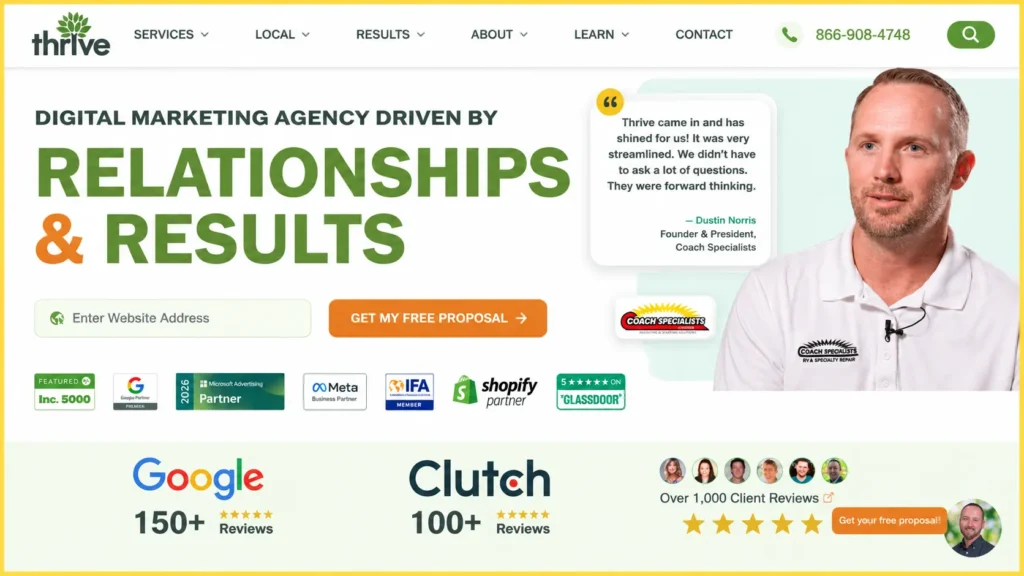
Founded in 2005 by Matt Bowman in Arlington, Texas, Thrive has grown into a 160+ person full service digital marketing agency with a dedicated restaurant practice, and has been named to the Inc. 5000 list of fastest growing companies for multiple consecutive years.
Pros
- Full service digital marketing engine (SEO, PPC, social, web design) under one roof, not just a website builder
- Month to month contracts with a reported 95% client retention rate
- Reporting dashboard (Thrive Score) gives clients real time visibility into site and marketing performance
Cons
- Not a restaurant exclusive agency. Restaurants are one vertical among many industries Thrive serves, so the hospitality specific playbook is less deep than a specialist like Vizergy or Webdiner
Best For:
Restaurants wanting web design bundled with full funnel marketing (SEO, PPC, social) from one large, established agency rather than a boutique hospitality specialist.
Why Thrive?
Restaurant groups that want one agency handling design, SEO, paid ads, and social all at once get a 20 year old, Inc. 5000 recognized agency with the scale to support multi location and franchise marketing needs.
5. UpMenu
Overview
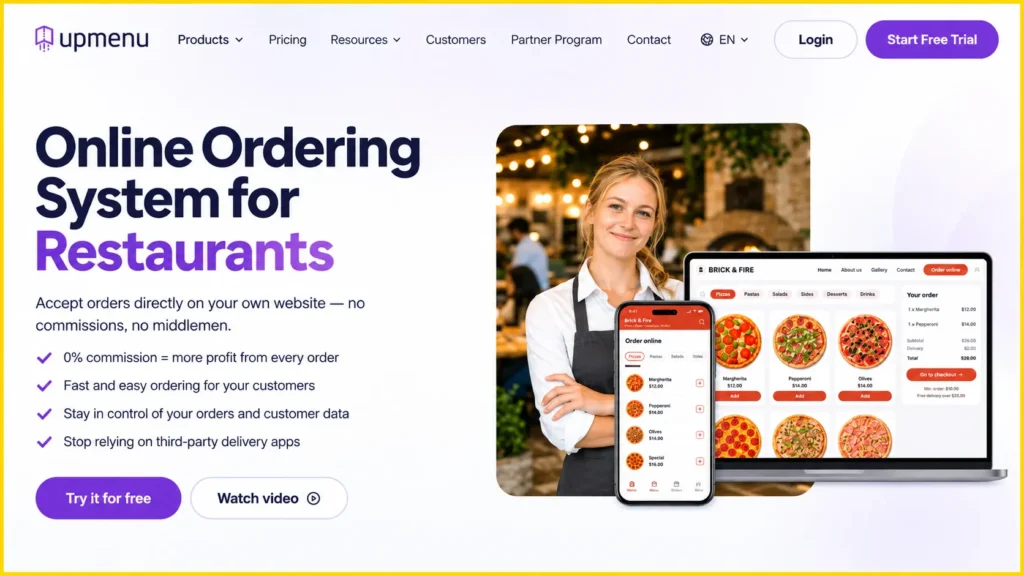
UpMenu is a commission free online ordering and restaurant website platform founded in 2012, headquartered in Poland, with clients in more than 40 countries. Rather than a custom built agency site, UpMenu is a subscription platform with a built in drag and drop website builder.
Pros
- Zero commission on online orders, positioned directly against the roughly 30% cuts taken by third party delivery marketplaces
- Website, branded mobile app, delivery management, and marketing tools centralized in one platform
- Tiered monthly subscription pricing scales by order volume rather than a large upfront project fee
Cons
- A subscription platform, not a custom design agency. Customization is limited to what the platform’s builder and templates support
Best For:
Restaurants wanting an integrated ordering platform with a website built in, rather than a separately commissioned custom site.
Why UpMenu?
Independent restaurants and small chains that want to escape delivery app commissions get a website, ordering system, loyalty tools, and mobile app bundled into one flat monthly subscription instead of a large upfront design bill.
6. INNsight
Overview
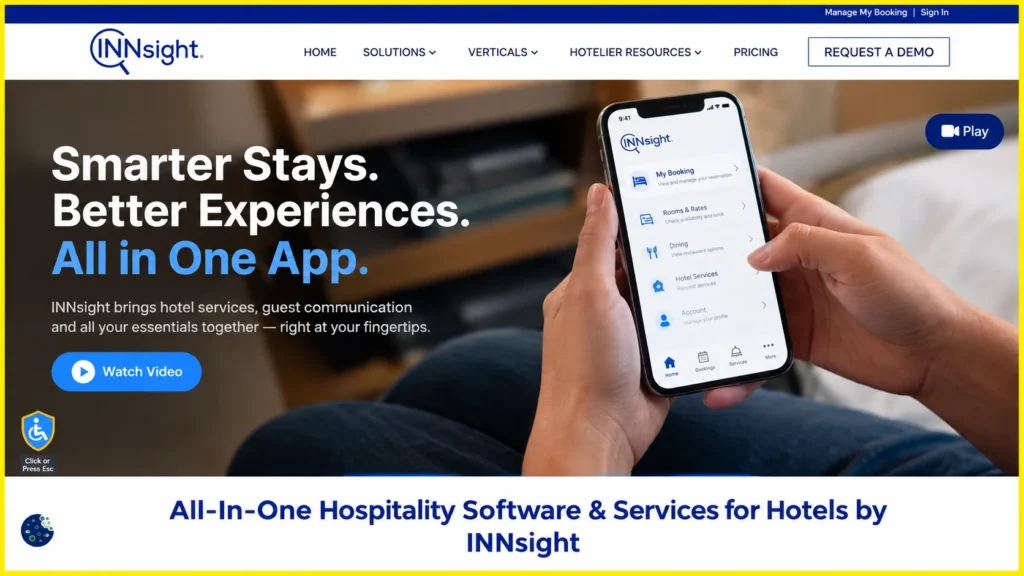
INNsight builds restaurant and bar websites on its MenuHero platform, bundling a free custom designed site with a monthly subscription (published rates have started around $129 to $199 per month) and zero commission online ordering.
Pros
- No upfront design cost. The website is bundled into the monthly subscription
- Zero commission online ordering, avoiding third party marketplace cuts
- Patent pending contactless and ADA focused menu technology (MenuHero)
Cons
- A subscription and template model rather than a fully custom build, and less suited to restaurants wanting a highly differentiated, one of a kind design
Best For:
Independent cafes and restaurants wanting a bundled subscription site with zero upfront design cost.
Why INNsight?
Independent restaurants on a tight budget get a professionally designed, zero commission ordering site with no large upfront design bill, in exchange for a modest recurring subscription.
7. Digital Silk
Overview
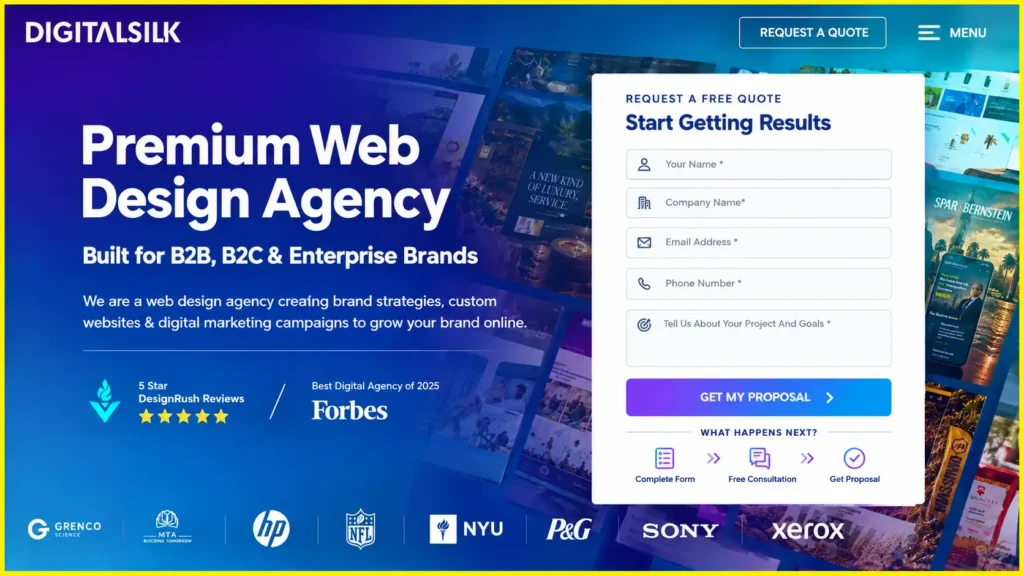
Founded by Gabriel Shaoolian, who also founded DesignRush, Digital Silk is a full service web design and branding agency headquartered in Miami with additional offices in New York, Chicago, Los Angeles, and San Diego. Clients span Fortune 500 names including Sony, P&G, Xerox, and NYU, and Forbes named it one of the best digital agencies in 2025.
Pros
- Enterprise caliber design and branding capability, backed by Fortune 500 client work
- Full service stack: branding, web design, SEO, and digital marketing under one roof
- Recognized by Forbes and DesignRush for design quality
Cons
- Project pricing starts around $15,000 and climbs from there, out of reach for most independent restaurants
- Not restaurant specific. Hospitality is one vertical among many industries served
Best For:
Restaurant brands or groups wanting premium, enterprise grade custom branding and design rather than a hospitality specialist.
Why Digital Silk?
A restaurant group with a meaningful budget and a strong emphasis on brand presentation gets access to the same caliber of design team that has built sites for Sony and P&G, at a price point that reflects that level of craft.
8. Lounge Lizard
Overview
Operating since 1998, Lounge Lizard is a web design and digital marketing agency with restaurant clients including Mr. Hero, a quick service chain known for its Romanburgers, and Steak & Ale. Co founder Ken Braun is a Webby Awards judge and Forbes contributor.
Pros
- 25+ years in business with a proven, award recognized creative team
- Combines web design, brand strategy, and digital marketing rather than design alone
- Real, named restaurant and franchise client work (Mr. Hero, Steak & Ale)
Cons
- Minimum project size starts around $25,000, positioning it well above most independent restaurant budgets
Best For:
Premium restaurant brands and franchises wanting luxury, award caliber visuals and a long established creative team.
Why Lounge Lizard?
An established or growing franchise brand wanting a highly polished, design award caliber site gets a 25+ year track record and a leadership team recognized by the Webby Awards and Forbes.
9. DreamCo Design
Overview
DreamCo Design has completed roughly 1,500 web design projects, including named restaurant clients like Brown’s Chicken, Dominick’s Pizza, Mangia E Bevi, and Craft Kitchen & Taphouse. It holds an A+ Better Business Bureau rating and offers in house financing, breaking payments into 3, 6, or 12 month plans.
Pros
- Flexible in house financing (3, 6, or 12 month payment plans) lowers the barrier to entry for new or budget limited restaurants
- A+ BBB rating and roughly 1,500 completed projects
- Price match guarantee
Cons
- Restaurant sites typically run $1,000 to $5,500, with the agency itself confirming pricing can be less or exceed $10,000. The wide range makes it harder to budget precisely upfront
Best For:
Restaurants wanting flexible financing options rather than a large lump sum payment upfront.
Why DreamCo Design?
A new or budget conscious restaurant that needs a professional site but cannot front a large upfront cost gets the same custom build spread out over monthly payments instead.
10. Red Spot Design
Overview
Red Spot Design is headquartered in the Dallas Fort Worth Metroplex, with restaurant clients including Pollo Regio, Heads or Tails Cajun Crawfish, and Alma Mexicana Restaurant. It is a Better Business Bureau member and includes gift certificate sales as a built in feature.
Pros
- Affordable, straightforward builds aimed squarely at independent restaurant budgets
- Built in gift certificate sales integration
- BBB membership and a base of named, verifiable local clients
Cons
- No published SEO service. Visibility work would need to be sourced separately
- Primarily a Dallas Fort Worth based operation, though it can serve restaurants nationally
Best For:
Independent restaurants on a tight budget wanting an affordable web design company with a straightforward build, not an enterprise level agency.
Why Red Spot Design?
A small, independently owned restaurant that just needs the fundamentals, mobile friendly design, menu display, gift certificate sales, done affordably gets a lower cost web design company alternative to the larger hospitality only agencies on this list.
11. Webvizion
Overview
Webvizion Global has spent over a decade focused exclusively on hotel and restaurant websites, with named clients including Grano, Rozario, Barne’s, and Mr. Sushi. Its platform flexibility spans WordPress, Shopify, Magento, Wix, Drupal, and Joomla depending on a client’s technical needs.
Pros
- Hospitality only focus for over 10 years
- Platform flexibility across six different CMS options rather than being locked into one
- Press coverage from outlets including CBS, FOX, and NBC
Cons
- Portfolio leans toward independent, character driven restaurant and cafe brands rather than large national chains, so multi location groups may find less directly comparable case study work
Best For:
Independent restaurants and cafes wanting a hospitality only web design and development specialist with flexible CMS options rather than being locked into one platform.
Why Webvizion?
An independent restaurant or cafe with a specific technical preference, WordPress versus Shopify versus something else, gets a decade plus hospitality development specialist that can build on whichever platform actually fits, rather than a one size fits all system.
12. Orbit Media Studios
Overview
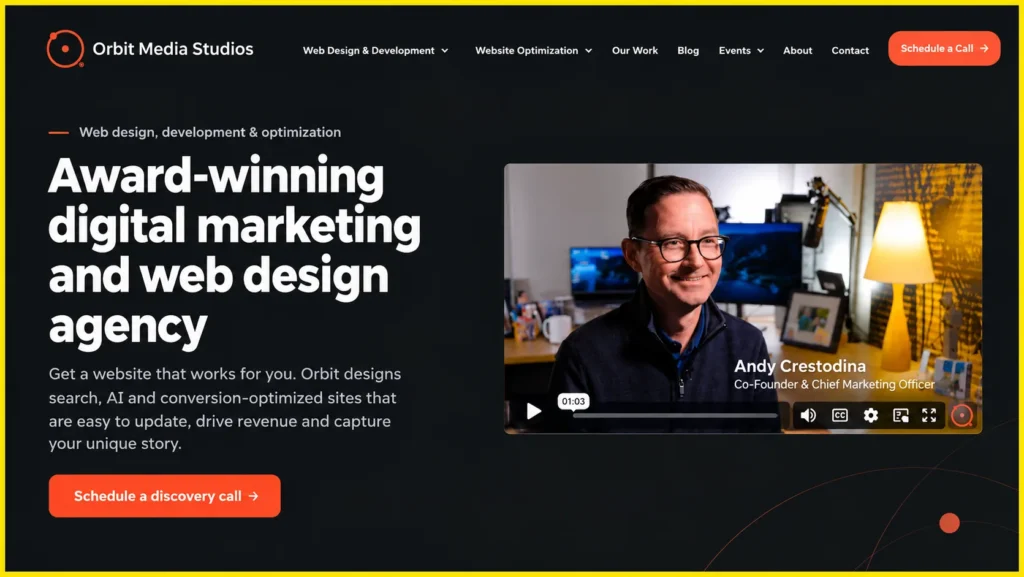
Orbit Media Studios has designed restaurant and food and beverage websites since 2001, with an unusually deep integration list spanning reservation platforms (OpenTable, Resy, Toast, Tock, SevenRooms), loyalty tools (Punchh, Thanx, Paytronix), and CRMs (Salesforce, Tripleseat, Eat App). The agency reports a 14% year over year lift in organic traffic across its last 50 projects, and case studies it has published cite a 400% increase in online conversions for a multi site rebuild for Bottleneck Management’s restaurant group, and tripled website traffic for Vienna Beef following a redesign.
Pros
- Two decades of restaurant and food and beverage specific web design experience
- Unusually broad platform integration bench spanning reservations, loyalty, and CRM systems
- Published, named case studies with specific reported results (Bottleneck Management, Vienna Beef)
Cons
- No published starting price. Positioned as a custom, quote based engagement, which suits larger budgets more than single location independents
Best For:
Multi location restaurant groups and large brands needing deep technical SEO and CRM integration experience.
Why Orbit Media Studios?
A multi location group or established brand deciding who to hire for complex CRM and loyalty integrations gets a 20+ year specialist with a track record it has documented in named case studies, rather than a generalist learning the hospitality stack for the first time.
Why Website Design Directly Affects Your Google and AI Search Rankings
Website design and SEO are not two separate purchases. They are the same job viewed from two angles. A beautifully designed site that search engines cannot read is invisible, no matter how good the food photography looks.
Take the PDF menu problem mentioned earlier. A scanned PDF menu cannot be crawled the way plain text can. Google cannot easily extract your dish names, your prices, or your ingredients from a flattened image. That means every menu item that could have ranked for a local search, something like best pasta near me, simply does not exist as far as search engines are concerned. The dish might be your bestseller. Search engines have no idea it exists.
Page speed matters more than most restaurants realize. A gallery of gorgeous food photos might load fine on a desktop, but if it drags on a phone, most people will bail before they even find your menu, and they will not come back to check twice. Structure matters just as much. Clean headings, business information marked up properly, and alt text that actually describes the image all help search engines and AI tools like ChatGPT and Google AI Overviews understand what your restaurant is and actually recommend it to someone nearby searching for a place to eat.
None of this is exotic. It is the difference between a site that was designed to look good in a screenshot and one that was designed to be found.
What a Restaurant Website Actually Costs
Restaurant website pricing spans a wide range, and most of that range comes down to complexity rather than company reputation or brand name.
A basic site covering a homepage, menu, hours, location, and contact details typically runs one thousand to three thousand dollars. This tier suits a single location restaurant that just needs the fundamentals done cleanly. A custom build with reservation integration, online ordering, and a content managed menu system usually lands between three thousand and ten thousand dollars, and this is where most independent restaurants investing seriously in their online presence should expect to land. Multi location or franchise builds with centralized management across several sites, shared branding, and location specific SEO can exceed ten thousand to twenty thousand dollars or more.
Monthly subscription platforms work completely differently. Instead of one big payment upfront, you pay somewhere between one hundred and a few hundred dollars a month, usually with hosting and some basic marketing tools thrown in. That lower cost of entry is genuinely appealing, especially early on, but it comes with a real tradeoff. You are building on someone else’s template system, which means you have less say over how the site is structured for search as your restaurant grows.
Custom Build vs Subscription Platform vs Combined Design and SEO Company
Here is the honest truth. There is no single right answer, and any company telling you there is one option for every restaurant is not being straight with you.
A subscription platform makes sense for a single independent restaurant that wants a professional, ordering ready site fast, without managing a developer relationship or a lengthy build timeline. The tradeoff is limited customization and less control over how the site performs in search over time, since template based platforms were not built with your specific keywords or your specific market in mind.
A custom build makes sense for a restaurant with distinctive branding needs or a multi location group that needs consistent design across several sites. The tradeoff is a higher upfront cost and a longer timeline, typically measured in months rather than weeks.
A combined design and SEO company makes sense when visibility matters as much as appearance, since one team owns both the build and the ongoing search performance instead of two vendors pointing fingers at each other when rankings stall six months after launch. This path costs more coordination upfront but saves the restaurant from the common scenario where a gorgeous site sits on page four of Google indefinitely.
Current restaurant web design snapshot, July 2026: subscription platforms typically start around one hundred to two hundred dollars monthly, custom builds average three thousand to ten thousand dollars, and combined design plus SEO retainers vary based on scope and how competitive the local market is.
Common Mistakes Restaurants Make When Hiring a Web Design Agency or Company
- Choosing on price alone and ignoring what happens after launch, which is often where real problems surface
- Accepting a scanned PDF menu because it feels faster to get live, without realizing what it costs in lost search visibility
- Hiring a design only company with no plan for how the site will actually get found once it launches
- Never confirming which reservation and ordering platforms are supported before signing, then discovering a costly integration gap later
- Signing a subscription contract without checking what happens to the site, the domain, and the content if you ever cancel
- Ignoring Google’s SEO best practices during development. Following guidance from Google’s SEO Starter Guide can help ensure your website is crawlable, user friendly, and built for long term search visibility
How to Choose the Right Agency or Company for Your Restaurant
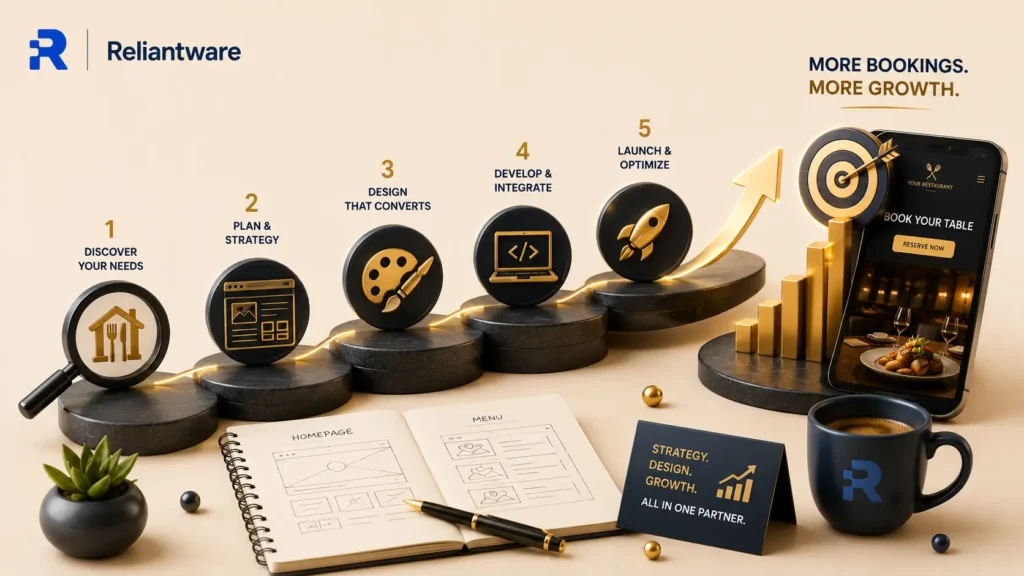
Ask every company on your shortlist these questions before signing anything:
- Which restaurant websites have you actually built, and can you show live examples rather than mockups?
- Which reservation and ordering platforms have you integrated with before, and can you name specific clients?
- Is the pricing a one time project or an ongoing subscription, and what is included at each level?
- Who handles SEO after the site launches, and is that included or billed as a separate service?
- How long does a typical project take from kickoff to launch, and what usually causes delays?
- If you are a franchise or multi location group, can they show experience keeping branding and local SEO consistent across sites?
Watch for a few red flags too. A vague restaurant portfolio without named clients usually means limited real experience in the industry, regardless of how confident the sales pitch sounds. A company that cannot speak specifically to OpenTable, Toast, or ChowNow integration likely has not built for restaurants before, no matter what their website claims. And any company promising a specific ranking position or a guaranteed timeframe is making a promise no honest SEO work can actually keep.
Conclusion
The best restaurant website is not the one that wins a design award. It is the one built to be found, booked, and ordered from, night after night. Whether you go with a specialist multi location integrator, a budget friendly subscription platform, or a company that builds design and SEO together, the right fit depends on your budget, your location count, and how much you value visibility alongside looks.
If you want a team that builds the site and drives its search visibility from day one, Get a free audit at Reliantware.
FAQs
How much does it cost to hire a restaurant web design agency?
A basic restaurant website typically costs $1,000–$3,000, while custom websites with SEO, reservations, and online ordering usually range from $3,000–$10,000+.
What should a restaurant website include?
It should include a mobile-friendly design, online reservations, HTML menu, online ordering, fast loading speed, quality photos, contact details, and local SEO.
Should I hire a restaurant-specific web design agency instead of a general web designer?
Yes. Restaurant-focused agencies understand diner behavior, reservations, online ordering, and local SEO, helping drive more bookings and sales.
How long does it take to build a restaurant website?
Most restaurant websites take 4–8 weeks to design, develop, and launch, depending on the project’s complexity.
Why is SEO important when designing a restaurant website?
SEO helps your website rank higher in search results, increasing visibility, website traffic, reservations, and online orders.
Can a restaurant website increase online orders and table reservations?
Yes. A well-designed website with clear calls-to-action and integrated booking and ordering systems can significantly boost conversions.
What is the best restaurant web design agency for SEO and online growth?
The best agency combines restaurant web design with SEO, ensuring your website not only looks great but also attracts more customers through search engines.
Empty Tables Cost You $4,000+/Month. Filling Them Costs $0 in Ads.
Hungry diners search Google every night. Show up there, and they come to you.
Free.
Claim your Roadmap now. No obligation